Roofing Systems
Commercial roofing systems for every structure
From system to structure
The right roofing system starts with the right partner
Every building has unique performance requirements, operational demands, and budget considerations. That's why we work with a variety of proven commercial roofing systems, helping owners, consultants, and contractors select solutions that align with their building's long-term goals.
From new construction and replacement projects to specialized applications, our team installs roofing systems designed to deliver dependable waterproofing, durability, and long-term value.
Built-up roofing systems (BUR)
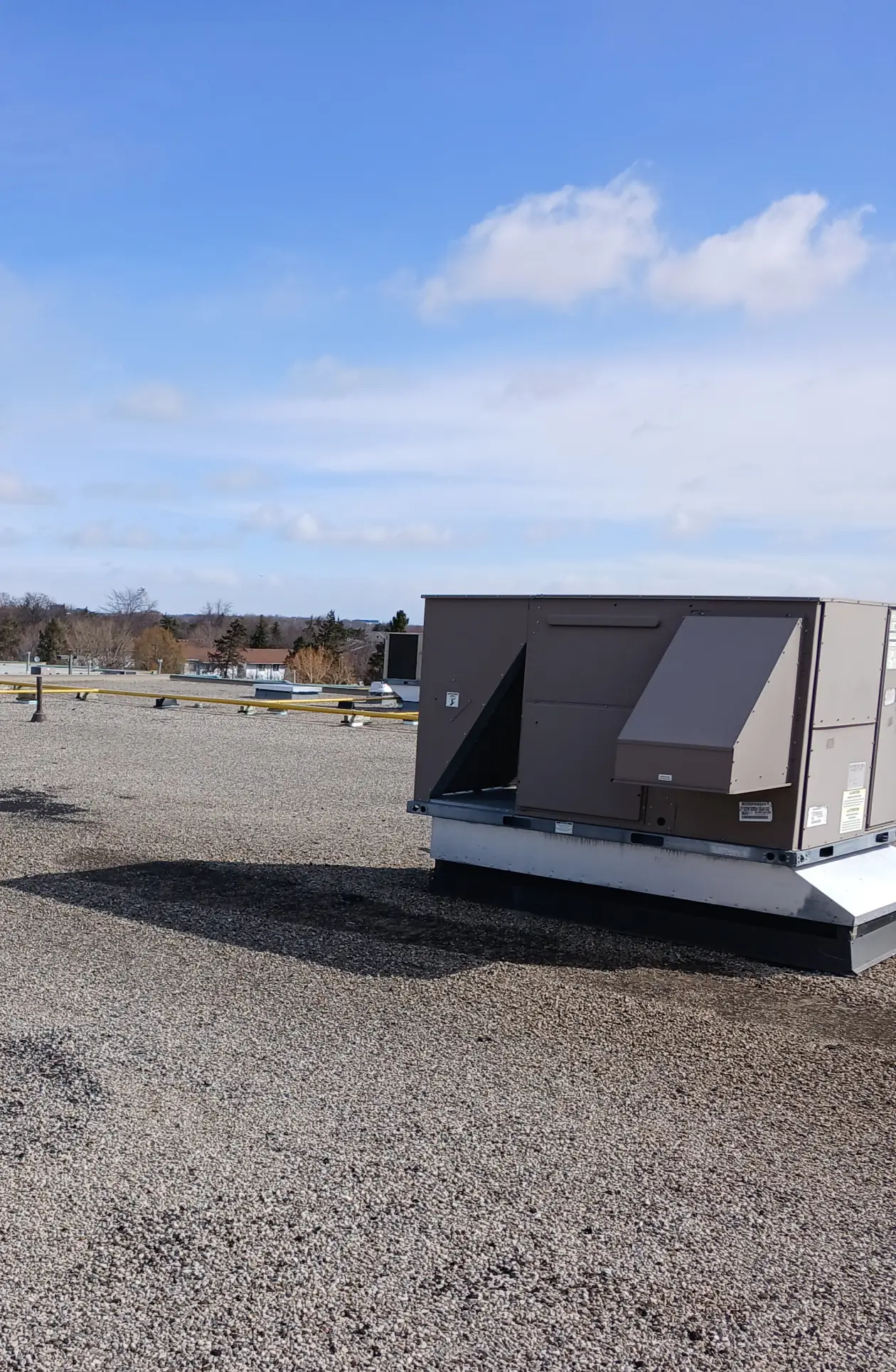
Built-up roofing (BUR) has been trusted on commercial and industrial buildings for more than a century due to its exceptional durability, redundancy, and proven performance. Constructed with multiple layers of reinforcing felts and bitumen, BUR systems create a robust, multi-layered assembly designed to withstand demanding conditions.
Ideal for low-slope commercial roofs, BUR systems deliver long-term protection against water infiltration, weather exposure, and daily wear, making them a dependable solution for buildings where longevity and resilience are essential.
Modified bitumen
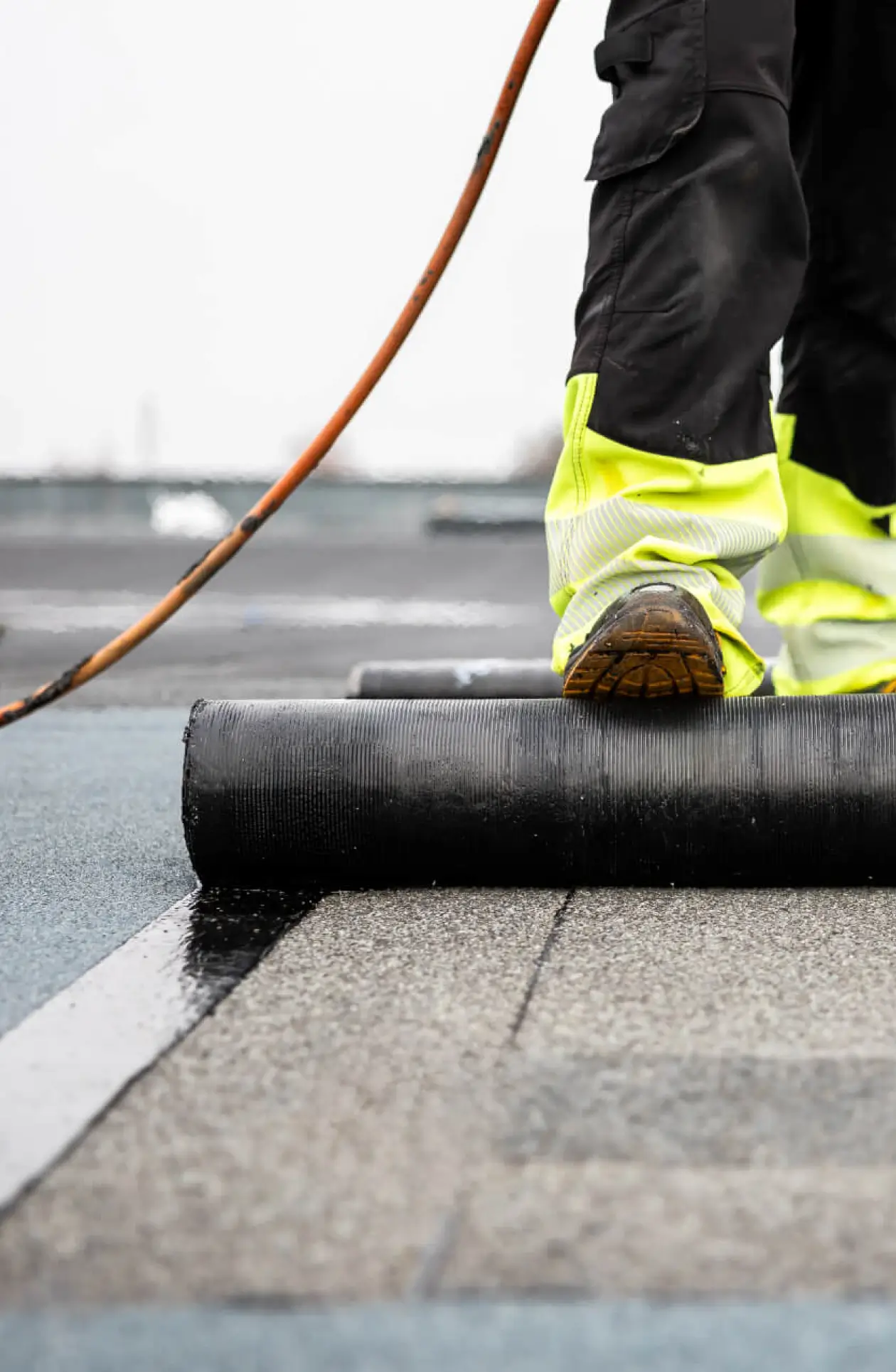
Modified bitumen roofing combines the proven reliability of asphalt with modern polymer technology to create a durable, flexible roofing membrane. Typically installed as a two-ply system, it offers excellent resistance to weather, temperature fluctuations, and physical wear while accommodating normal building movement.
A versatile choice for commercial and industrial buildings, modified bitumen delivers dependable waterproofing, enhanced puncture resistance, and long-term performance for low-slope roofing applications.
Cold application
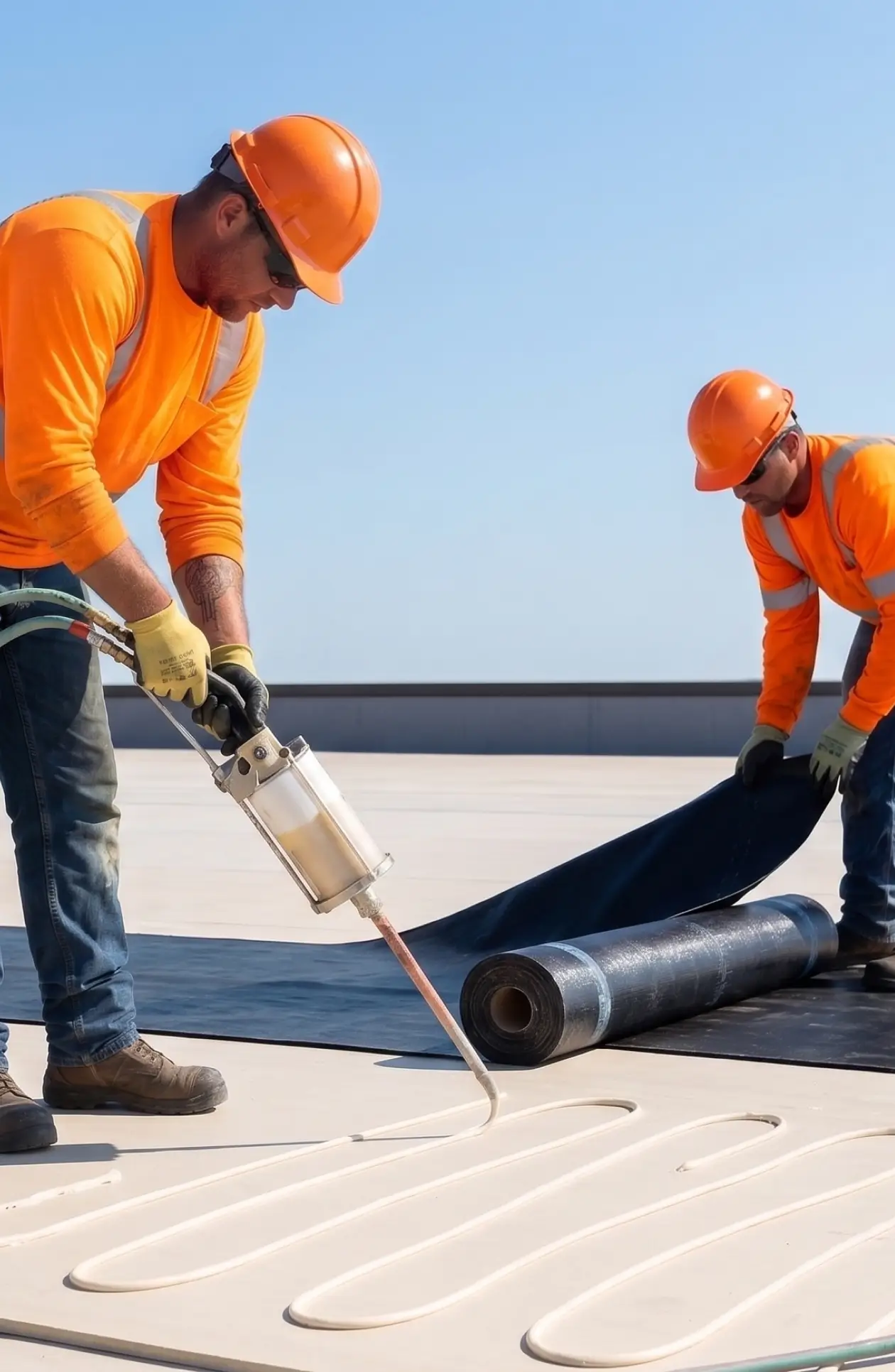
Cold adhesive roofing systems provide the performance and reliability of traditional multi-layer roofing assemblies without the need for hot asphalt application. These systems use specialized adhesives to bond roofing components together, creating a durable, fully adhered membrane with excellent waterproofing performance.
Often selected for occupied buildings, sensitive environments, and projects where minimizing disruption is important, cold adhesive systems offer a clean installation process while delivering long-term protection against the elements. Their versatility makes them an excellent choice for both new construction and roof replacement projects.
Single ply
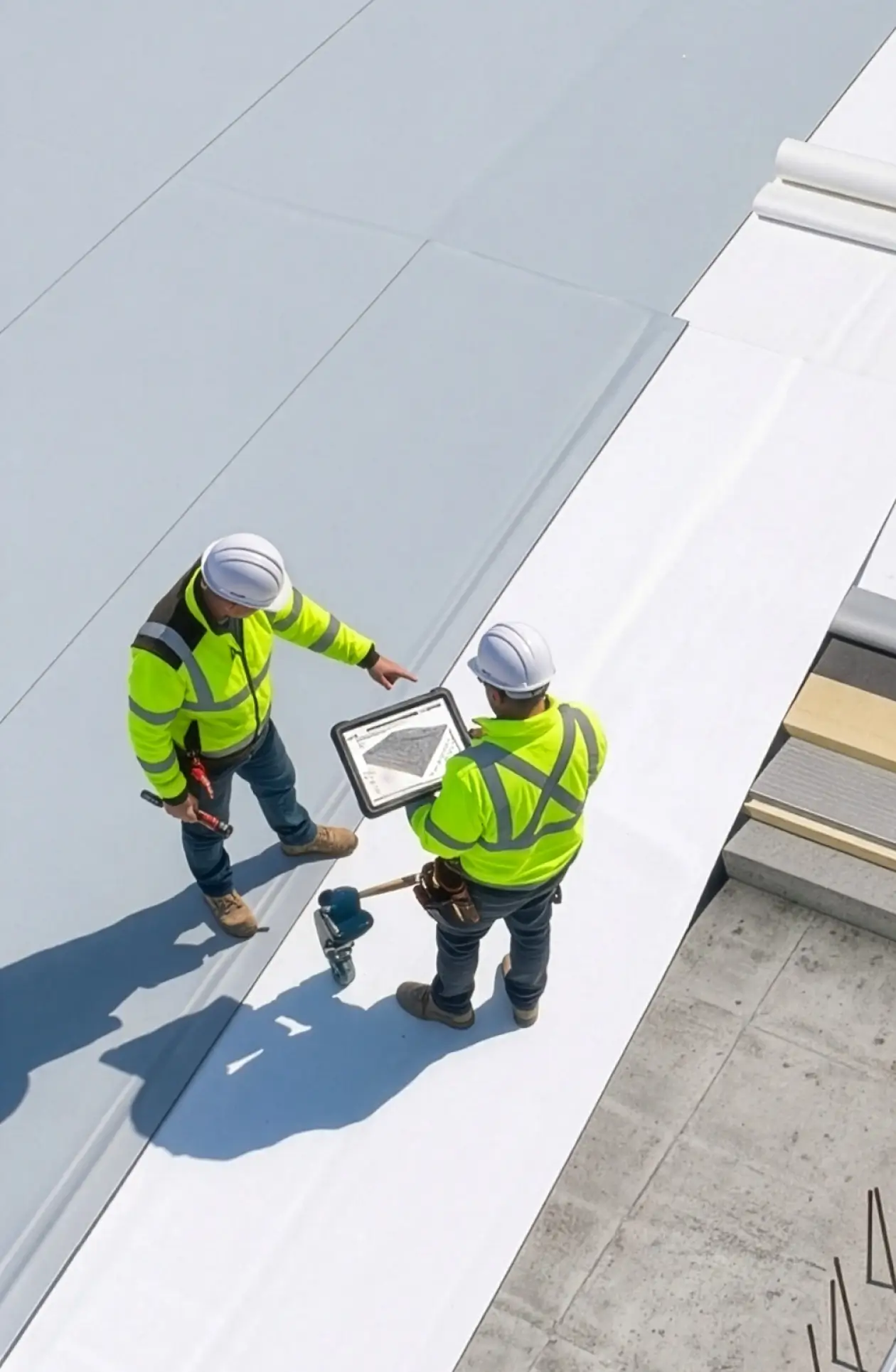
Single-ply roofing systems consist of a single layer of waterproof membrane designed to provide long-term protection for low-slope commercial roofs. Common membrane types include EPDM, TPO, and PVC, each offering proven performance in a variety of building applications.
These systems are installed using large membrane sheets that reduce the number of seams across the roof surface, helping improve installation efficiency and waterproofing performance. Single-ply assemblies are also installed without open flames, making them a preferred solution for occupied buildings and projects where safety is a priority.
Known for their resistance to UV exposure, chemicals, and harsh environmental conditions, single-ply roofing systems can provide durable, low-maintenance protection while supporting energy efficiency through highly reflective membrane options. Proper installation, detailing, and ongoing maintenance remain critical to protecting the membrane from punctures and ensuring long-term performance.
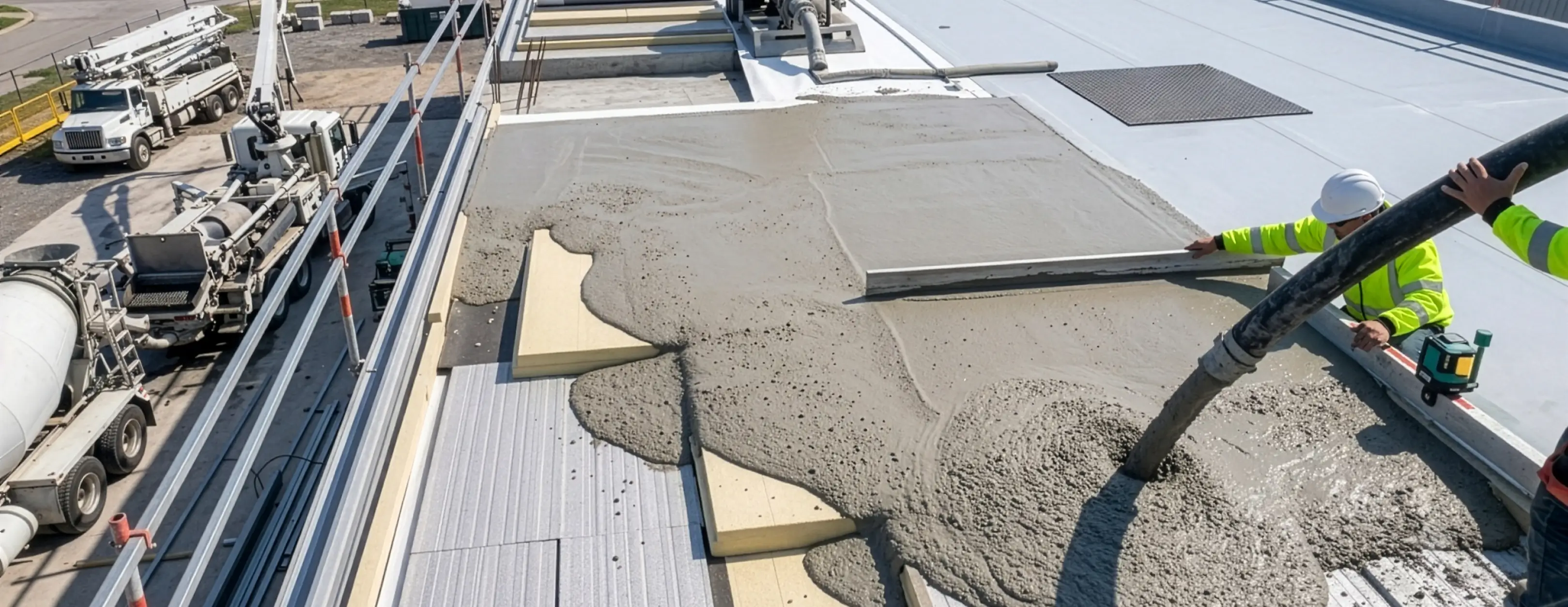
Lightweight insulating concrete systems
Lightweight insulating concrete systems provide a durable roofing substrate that combines insulation, moisture resistance, and slope-to-drain capabilities within a single assembly. Designed to improve long-term roof performance, these systems offer a practical solution for commercial buildings seeking durability, efficiency, and lifecycle value.
Improved drainage:
- Custom slope-to-drain designs help direct water efficiently toward drains and scuppers.
- Reduces the risk of ponding water and moisture-related deterioration.
Durability & strength:
- Delivers high compressive strength to support long-term roofing system performance.
- Creates a stable substrate for roofing membranes in demanding commercial environments.
Thermal performance:
- Provides high insulating values that can improve overall building energy efficiency.
- Helps support consistent indoor temperatures and reduce heating and cooling demands.
Lifecycle value:
- Existing concrete substrates can often remain in place during future roof replacements.
- Reduces material waste and can contribute to a lower total lifecycle cost compared to alternative systems.

Green roofing
Green roofing systems integrate vegetation, drainage, and waterproofing layers to create a living roof that improves building performance and environmental impact. They are used across commercial, institutional, and urban projects.
- Absorbs rainfall and reduces runoff, easing pressure on municipal systems.
- Adds insulation to help reduce heating and cooling demands year-round.
- Replaces heat-absorbing surfaces with vegetation to lower ambient temperatures.
- Supports cleaner air and reduced energy use through improved building performance.
- Protects membranes from UV exposure and weathering, helping extend roof life.
Photovoltaic
Photovoltaic (PV) roofing systems integrate solar technology directly into the roof assembly to generate clean energy while maintaining full weather protection. Designed for commercial, institutional, and large-scale applications, these systems support long-term energy efficiency while preserving overall roof performance and durability.
By converting sunlight into usable electricity, PV roofing helps reduce operating energy costs and carbon emissions. Each system is engineered for seamless integration, combining reliable waterproofing with durable solar components built to perform in demanding environmental conditions.